

Solar Basics 2026: How Solar Panels Work, Cost & What to Expect
How Do Solar Panels Work?
This solar basics guide starts with one simple principle: Solar panels convert sunlight into DC electricity using photovoltaic cells. An inverter converts that to AC power your home uses — and excess energy flows back to the grid through net metering, crediting your bill.
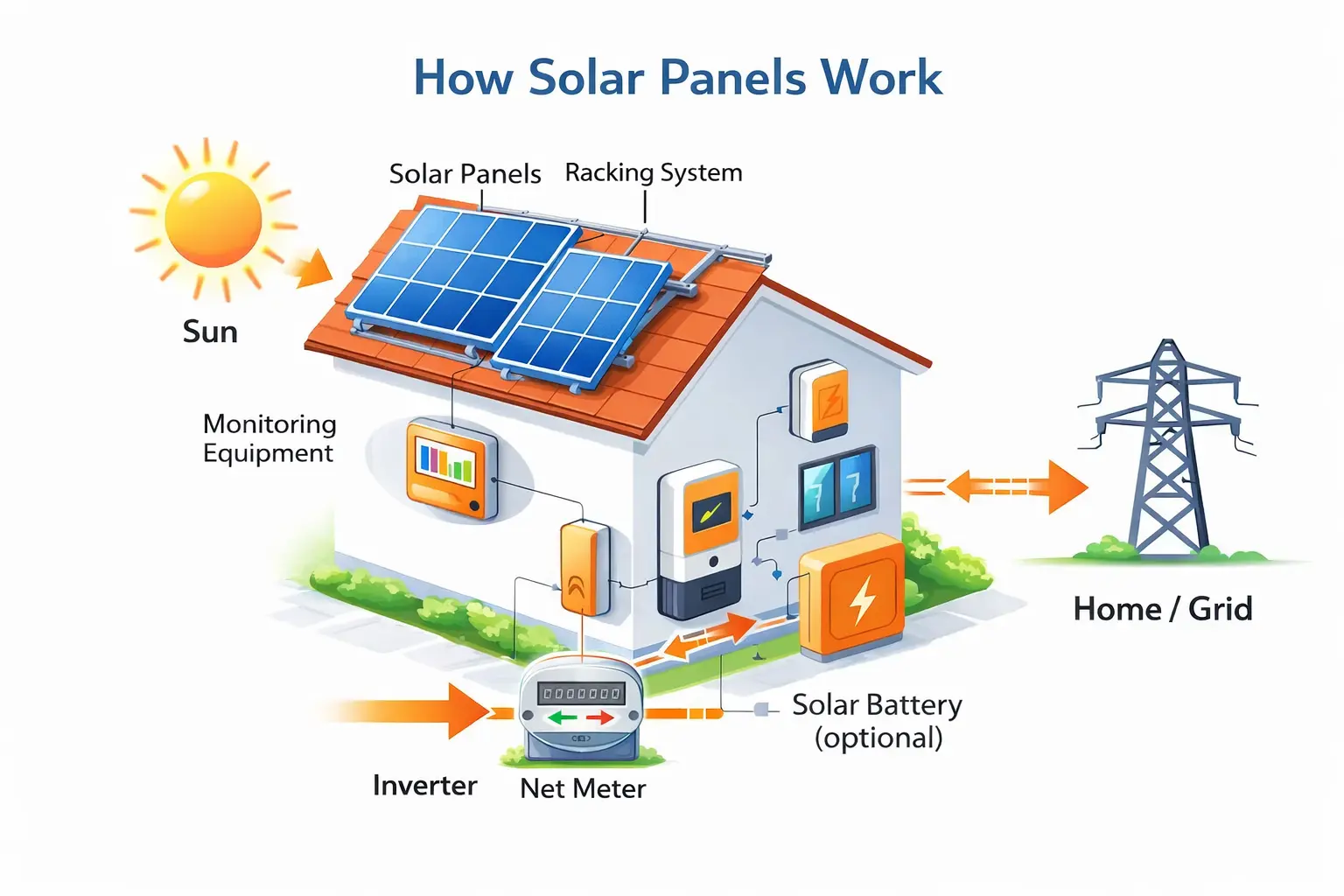
The 6 Core Components of a Solar System
Are Solar Panels Worth It in 2026?
The most common question: is it worth it? For most US homeowners, yes. Average payback is ~15 years at $0.18/kWh/kWh. After that: 15–20 years of essentially free electricity with an average 147% ROI over 25 years.
- Break-even in ~15 years at US average rate — faster in high-rate states
- ~147% ROI over 25 years — better than a savings account in most states
- $15,000–$25,000 added home value, exempt from property tax in 35+ states
- Protection from utility rate hikes averaging 4–5%/year — your solar cost is locked at zero
Costs, System Size & Payback Period (2026)
The US average solar installation cost is $3.75 per watt in 2026. Here's how system size, cost, and payback look at three typical bill sizes:
| $150/mo | $200/mo | $300/mo | |
|---|---|---|---|
| System Size | 8.4 kW | 10.8 kW | 16.4 kW |
| Panels | 21 | 27 | 41 |
| Gross Cost | $31,500 | $40,500 | $61,500 |
| Payback Period | 14 yrs | 14 yrs | 14 yrs |
| 25-Yr Savings* | $74,963 | $99,950 | $149,925 |
*$0.18/kWh/kWh · 4.5 sun hrs/day · $3.75/W · 4%/yr rate escalation. Use the Solar Savings Calculator for your exact values.
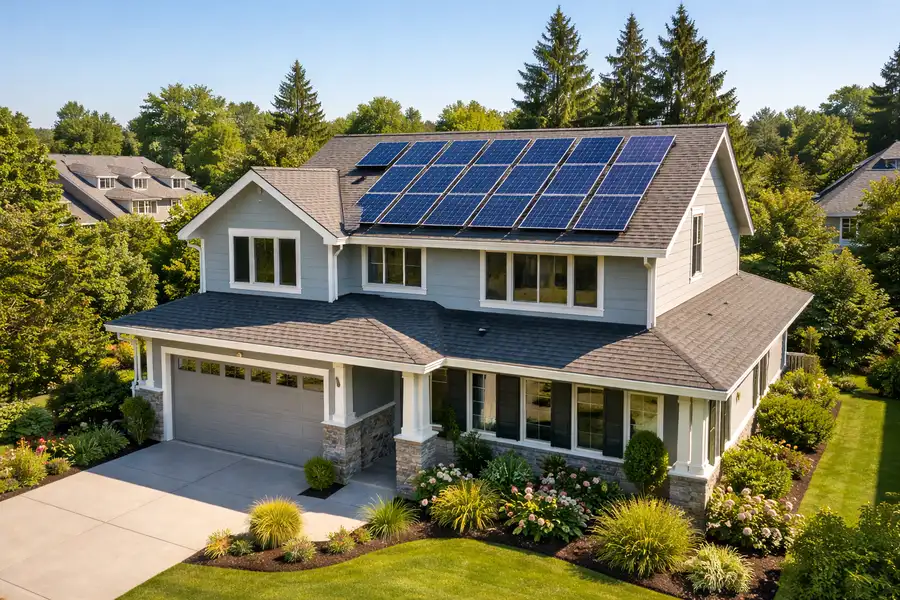
A typical US home needs 15–25 panels. For a $200/month bill: 10.8 kW, 27 panels, ~486 sq ft of roof space. Each 400W panel produces ~500–600 kWh/year at 4.5 peak sun hours.
Adding an EV? Size 20% larger upfront — about 6–8 extra panels at $3.75.
See the EV Savings Calculator and EV Basics Guide.
Tax Credits & Incentives (2026)
State and local solar incentives remain fully active. 6 states offer direct income tax credits, 35+ states exempt solar home value from property tax, ~13 states exempt solar equipment from sales tax. Solar Incentives Guide
Should You Add Battery Storage?
Solar basics rule of thumb: panels cover daytime usage. Add a battery and you cover nighttime, outages, and peak-rate hours — increasing self-consumption from 30–40% to 70–90%.
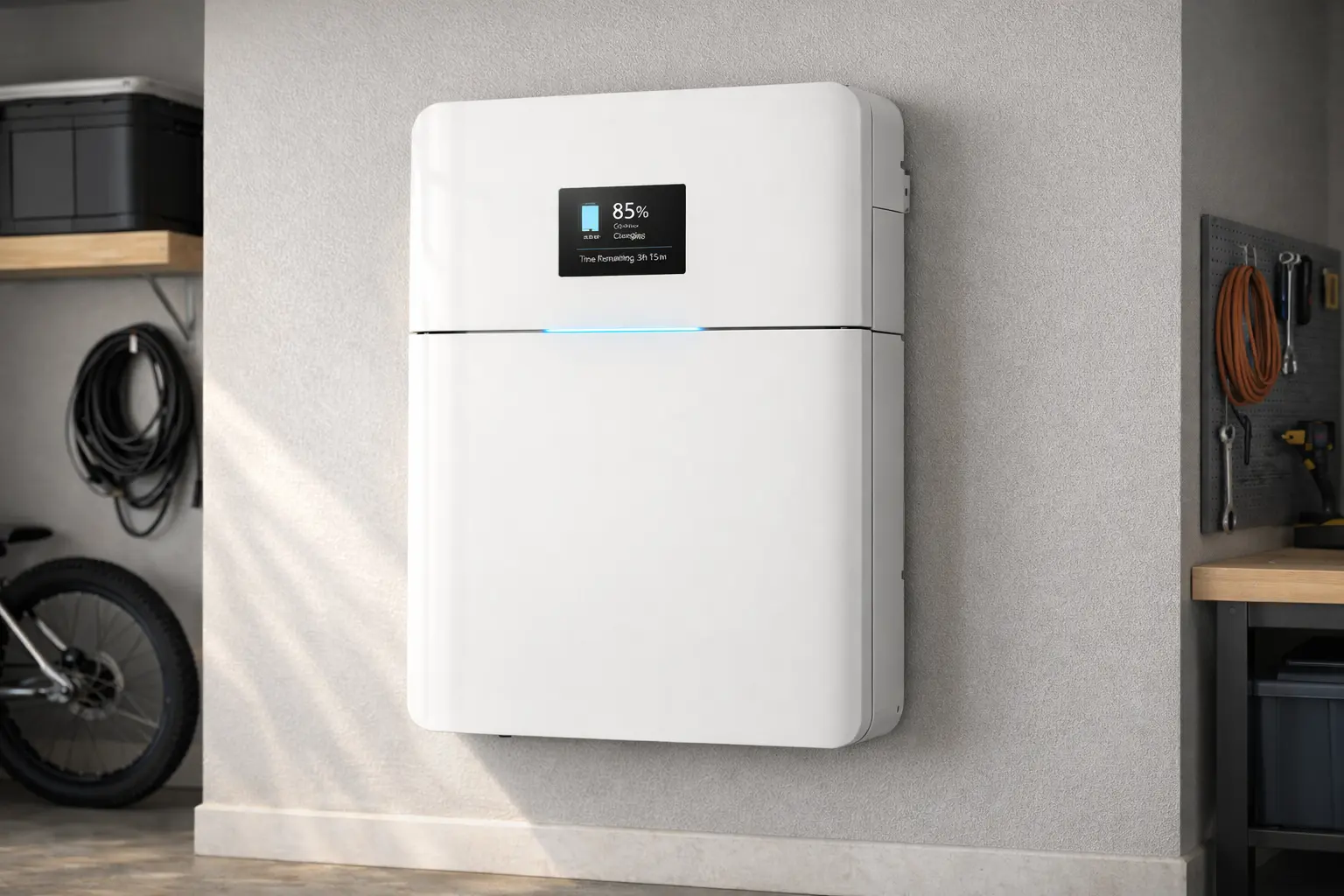
Installed battery prices vary widely by region, installer, and home electrical setup — get 2–3 quotes for your specific situation.
Never lease solar if your state offers a tax credit — the leasing company claims all incentives. Cash or a solar loan (0–7% APR) always delivers better long-term value. See the Battery Basics Guide.
Your 6-Step Solar Basics Action Plan
Going solar is simpler than most homeowners expect — here's the exact sequence:
- 1Calculate savings & size your system The Solar Savings Calculator shows your exact system size, 25-year savings, and payback period in 90 seconds — based on your ZIP and bill.
- 2Size your battery (optional) Adding storage? Use the Battery Sizing Calculator to find the right kWh capacity for your usage, NEM type, and outage goals.
- 3Get 3–5 quotes Compare price per watt ($3.75 national avg in 2026), equipment brands, and warranty terms — 25-yr production, 10-yr workmanship minimum.
- 4Verify credentials State contractor license and NABCEP certification are minimum requirements. Check liability insurance and ask for local references.
- 5Choose financing Cash (best ROI), solar loan (0–7% APR), HELOC — leases forfeit all state incentives. Never lease if your state has a credit.
- 6Install & activate 1–3 days installation, then 4–12 weeks for utility interconnection approval. Monitor production via your app monthly.
Solar Basics FAQ
Yes — solar panels produce 10–25% of normal output on overcast days. Germany is a top-10 solar market despite being cloudier than most of the US. Your electricity rate matters more than cloudiness for whether solar makes sense for your situation.
30–35 years for premium panels. Most manufacturers offer 25-year production warranties guaranteeing at least 85% output at year 25. Inverters typically last 10–15 years.
Standard grid-tied solar systems shut off automatically during outages — required by law to protect utility workers. Adding a battery with island-mode keeps your home powered independently.
Yes. Solar adds $15,000–$25,000 to sale prices on average, and homes with solar sell 4.1% faster according to Zillow data. In 35+ states this added value is exempt from property tax.
Each panel is ~17–18 sq ft. A 10.8 kW system (27 panels) needs ~486 sq ft of usable roof. East/west splits produce 85–90% of a south-facing system's output.
Almost none. Rain keeps panels clean in most climates. In dusty areas, hose them down once or twice a year. Check your monitoring app monthly — no moving parts to service.
Free Tools & Guides
Solar basics data sourced from U.S. EIA, NREL, and DSIRE. Last updated May 2026.